
Rethinking Dialogue: From Antigone’s Truth-Telling to Confucius’ Relational Humanity

Giovanni Scarafile, Yen-Yi Lee Nor did I think your edict had such force / that you, a mere mortal, could override the gods,/ the great unwritten, unshakable traditions”. (Sophocles, Antigone, ll. 453–455, tr. R. Fagles).  With these words, Antigone addresses … Continua a leggere Rethinking Dialogue: From Antigone’s Truth-Telling to Confucius’ Relational Humanity

Handbook for Imperfect Lovers

Anna and Mark, a couple once epitome of love, found their communication failing as individual burdens and misunderstandings drove a wedge between them. Deciding to address their issues, they tried an exercise of uninterrupted talking for five minutes each, providing insight into their fears. Recognizing the sources of their misconstruction and deciding to see a therapist, they managed to rebuild their relationship. Their journey showed that conflicts in relationships are opportunities for growth and emotional evolution, and effective communication is key to understanding and respect in any relationship. Continua a leggere Handbook for Imperfect Lovers

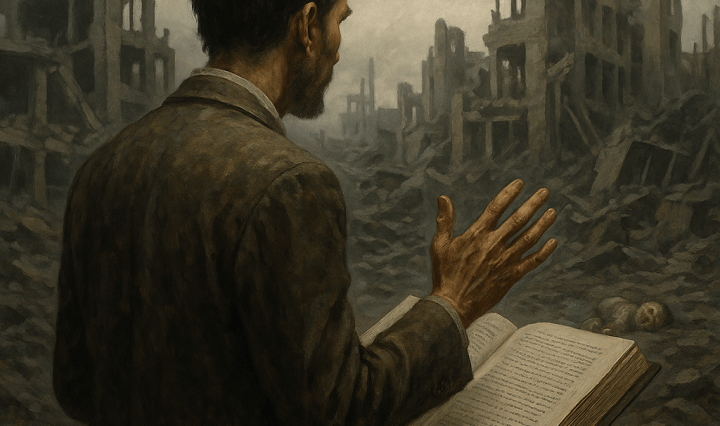
The Ineffability of Evil and the Challenge of Reason

The intrusion of evil into our lives triggers profound disquietude, questioning, and vulnerability, necessitating philosophical reflection. The resultant concepts of commensurable and incommensurable evil aid understanding, despite the latter’s confounding nature. Differentiating between physical, moral, and metaphysical evil further reframes comprehension, particularly moral evil’s rationality challenge. Efforts to understand incommensurable evil hint at our need for rationality, but also its limitations. The quest for understanding illuminates our humanity and personal resilience against suffering and injustice.
Continua a leggere The Ineffability of Evil and the Challenge of Reason